
Residents Concerned over Plans to Double Size of Intensive Pig Farm
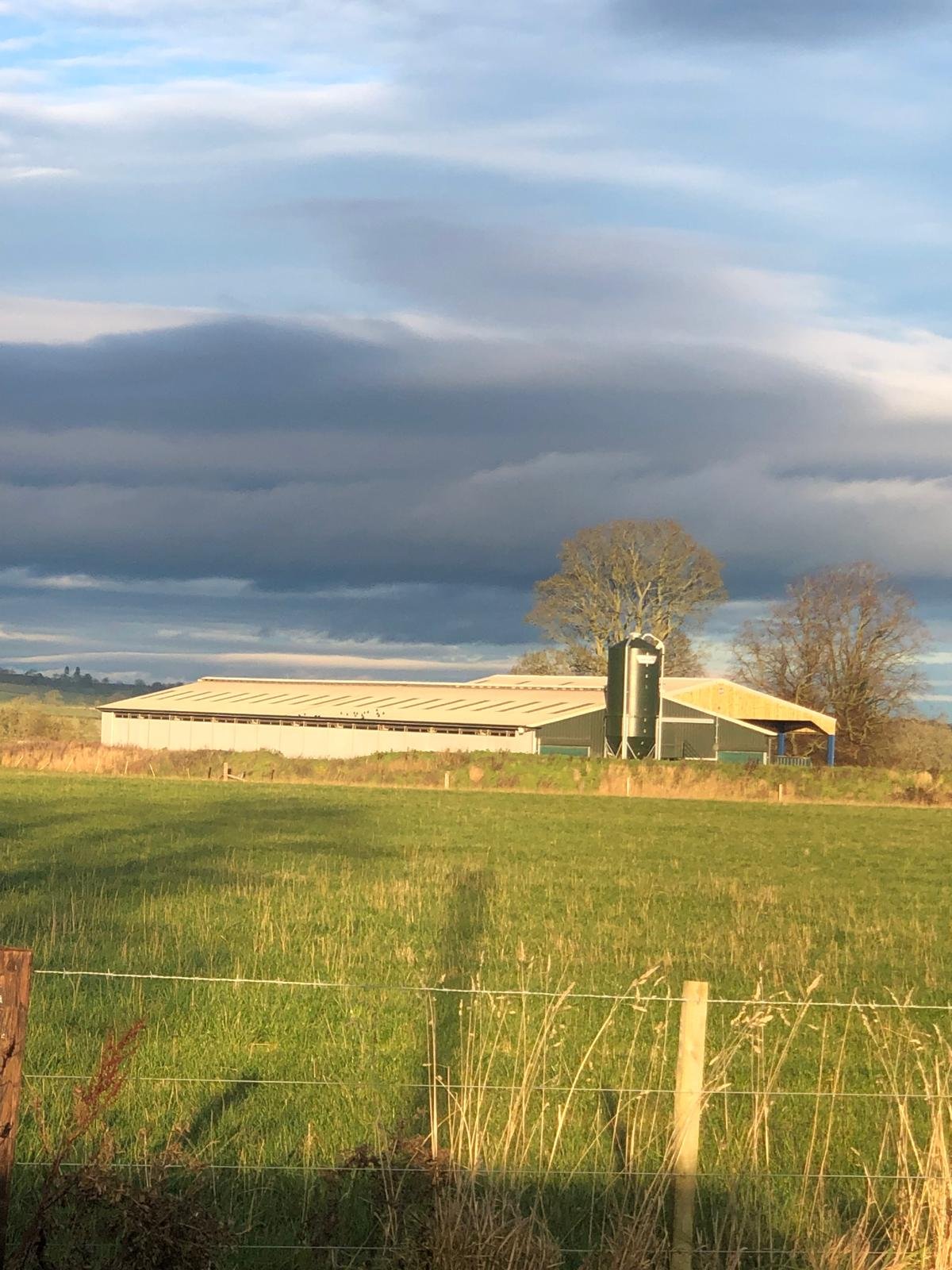
Matfen, Northumberland
Plans have been submitted to double the size of an intensive pig unit near Matfen, increasing the number of pigs confined indoors from 950 to 1,900 at any one time. Local residents and campaigners warn the expansion would intensify existing concerns about odour, traffic and environmental impact in the rural community. [1]
High House Farm currently confines up to 950 young pigs in a single indoor shed before they are sold and slaughtered.The application seeks permission for an additional shed, raising capacity to 1,900 pigs on site at once.
Residents have already reported concerns about noise, odour and dirty water run-off linked to the existing operation.
A previous High House Farm planning permit from 2020 required native tree planting as an environmental condition; however, aerial photographs show no evidence that this planting has taken place, raising concerns that environmental obligations would not be met should the current application be approved.
Local voices
Liz Crocker, 65, a retired dog walker said:
"This expansion would lock nearly 2,000 pigs into an intensive indoor system that prioritises production over welfare, and it would also have real consequences for the people who live here. Intensively farming animals brings increased traffic, odour, and environmental pressures to a rural area that we all value for its quality of life. Local people believe this development is wrong for our community, as well as for the animals forced to live in these conditions.”
Jo Lazarus of Communities Against Factory Farming said:
“Intensive pig farming systems cannot adequately meet the welfare needs of these intelligent and sentient animals, leading to stress, poor health, and suffering.
Local residents are already dealing with odours and water pollution concerns linked to this site. Doubling the scale of the operation will inevitably increase the burden on the surrounding countryside and on those who call it home. We strongly urge the council to refuse this application.”
Environmental and legal concerns
Campaigners have also raised serious questions about the farm’s compliance with existing planning conditions. Documents show that native tree planting required under the 2020 approval was signed off as completed. However, aerial imagery appears to show no evidence that the planting has been carried out. Communities Against Factory Farming (CAFF) says this raises doubts about whether further environmental or compensatory conditions would be honoured if the expansion is approved.
CAFF further argues that animal welfare should be considered as part of the planning decision, arguing that the planning authority must be satisfied that the existing regulatory framework can properly address welfare concerns before granting permission for a development that could cause suffering to up to 1,900 animals. [2]
East Lindsey District Council (Ref S/122/00592/24) has previously refused a similar proposal on animal welfare grounds, demonstrating that councils have the authority to reject applications where welfare standards cannot be assured. [3]
ENDS
Word Count: 485
All images and videos in this file, on our social media, and on our website can be used with credit to Communities Against Factory Farming under ‘fair use’ for the purposes of reporting.
For more information or further comments, please contact:
Emma (Press Back Office) +44 1225 29 6691